

Services
Pilonidal Sinus Treatment
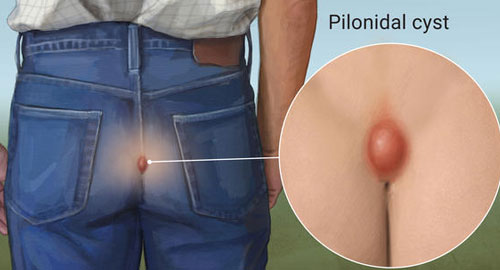
Pilonidal sinus is a small tunnel or cavity that develops in the skin, usually near the tailbone or between the buttocks. It commonly contains hair, debris, or infected tissue and may lead to pain, swelling, redness, discharge, or repeated infection. It is more commonly seen in young adults and can become troublesome if left untreated.
Treatment depends on the severity of the condition. While early cases may be managed conservatively, infected or recurrent pilonidal sinus often requires surgical treatment. The goal is to remove the sinus tract, control infection, prevent recurrence, and provide long-term relief with faster healing.
Conditions Commonly Treated
- Pilonidal Sinus
- Infected Pilonidal Cyst
- Pilonidal Abscess
- Recurrent Pilonidal Sinus
- Painful Tailbone Swelling
- Persistent Discharge Near the Tailbone
Problems & Their Management
Pilonidal sinus can cause repeated discomfort and infection if not treated on time. Early diagnosis helps prevent complications and supports smoother recovery.
- Pain Near the Tailbone: Pain while sitting or bending is one of the common symptoms and may indicate inflammation or infection.
- Swelling or Lump: A tender swelling or lump near the buttock cleft may be caused by trapped hair and infection.
- Pus or Blood-Stained Discharge: Ongoing discharge from a small opening in the skin is a common sign of pilonidal sinus.
- Repeated Infection or Abscess: Recurrent painful abscess or infection in the same area may require surgical removal of the sinus tract.
- Skin Irritation & Redness: Irritation, redness, tenderness, or foul-smelling discharge may indicate active infection.
Treatment Options
- Medical Management: Early treatment may include medicines, infection control, dressings, and hygiene care.
- Abscess Drainage: If pus collection is present, drainage may be required to relieve pain and infection.
- Laser Pilonidal Sinus Treatment: A minimally invasive treatment option with less pain, smaller wounds, and quicker recovery.
- Surgical Excision: Removal of the pilonidal sinus tract in recurrent or chronic cases to reduce chances of recurrence.
Benefits of Treatment
- Relief from pain and swelling
- Control of infection and discharge
- Healing of sinus tract
- Reduced risk of recurrence
- Improved comfort while sitting and daily activities
- Minimally invasive treatment options with faster recovery
When Should You Consult?
Consultation is recommended if you experience pain or swelling near the tailbone, discharge of pus or blood, repeated boils in the same area, difficulty sitting comfortably, or persistent irritation around the lower back or buttock cleft.
Timely treatment helps prevent repeated infection, discomfort, and complications while allowing better healing and recovery.
Expert Pilonidal Sinus Care with Dr. Rochelle Dsouza
Dr. Rochelle Dsouza offers expert diagnosis and treatment for pilonidal sinus using advanced surgical and minimally invasive techniques focused on effective healing, reduced recurrence, and patient comfort. Treatment is personalized based on the severity of the condition and individual recovery needs.
Book your consultation today for expert pilonidal sinus evaluation and personalized treatment.