

Services
Laparoscopic Surgeries
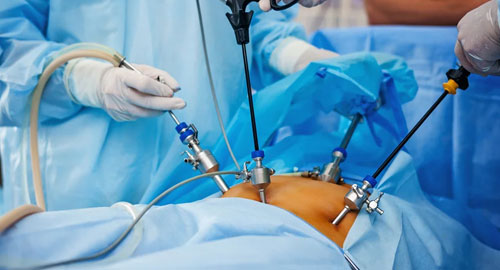
Laparoscopic surgery, also known as minimally invasive surgery or keyhole surgery, is a modern surgical technique performed through small incisions using a camera and specialized instruments. Compared to traditional open surgery, laparoscopic procedures usually result in less pain, smaller scars, faster recovery, and shorter hospital stay.
It is commonly used to treat conditions involving the gallbladder, appendix, hernia, gastrointestinal tract, and abdominal organs. Depending on the condition, laparoscopic surgery may be planned electively or performed urgently when needed.
Conditions Commonly Treated
- Gallbladder Stones / Gallbladder Disease
- Appendicitis
- Hernia (Inguinal, Umbilical, Incisional)
- Abdominal Pain Requiring Diagnostic Laparoscopy
- Intestinal Disorders Requiring Surgical Evaluation
- Adhesions or Abdominal Obstruction
- Selected Emergency & General Surgical Conditions
Problems & Their Management
Laparoscopic surgery is commonly recommended when medical treatment alone is not enough or when surgery offers the safest and most effective long-term solution.
- Gallstones: May cause pain, bloating, nausea, or infection. Management often includes laparoscopic gallbladder removal.
- Appendicitis: Infection and inflammation of the appendix causing abdominal pain, often treated with laparoscopic appendectomy.
- Hernia: A weakness in the abdominal wall causing swelling or discomfort. Laparoscopic hernia repair helps strengthen the area and reduce recurrence.
- Unexplained Abdominal Pain: Diagnostic laparoscopy may help identify internal abdominal problems when imaging is inconclusive.
- Intestinal or Abdominal Conditions: Certain intestinal or emergency abdominal conditions can be evaluated and treated using minimally invasive techniques.
Treatment Options
- Laparoscopic Cholecystectomy: Minimally invasive removal of the gallbladder for gallstones or gallbladder disease.
- Laparoscopic Appendectomy: Removal of the appendix for acute appendicitis.
- Laparoscopic Hernia Repair: Repair of abdominal wall hernias using mesh support through small incisions.
- Diagnostic Laparoscopy: Camera-assisted internal evaluation of the abdomen to diagnose unexplained pain or abdominal conditions.
- Advanced Minimally Invasive Procedures: Surgical management of selected abdominal and gastrointestinal conditions using laparoscopic techniques.
Benefits of Laparoscopic Surgery
- Smaller incisions with minimal scarring
- Less postoperative pain
- Shorter hospital stay
- Faster recovery and earlier return to routine activities
- Reduced risk of wound complications
- Precise surgical visualization with modern minimally invasive techniques
When Should You Consult?
Consultation is recommended if you have persistent abdominal pain, gallstones, swelling due to hernia, symptoms of appendicitis, bloating, recurrent digestive discomfort, or if you have been advised surgery for an abdominal condition.
Early surgical evaluation helps identify the cause and allows timely treatment with the most suitable minimally invasive approach whenever possible.
Expert Laparoscopic Surgical Care with Dr. Rochelle Dsouza
Dr. Rochelle Dsouza provides expert laparoscopic surgical care with a patient-focused and evidence-based approach. Treatment is tailored to each patient’s condition with emphasis on safety, faster recovery, minimal discomfort, and long-term results using advanced minimally invasive techniques.
Book your consultation today for expert evaluation and advanced laparoscopic surgical treatment.