

Services
Piles Treatment
Piles, also known as hemorrhoids, are swollen veins in the lower rectum or around the anus. They are a common condition that can cause pain, bleeding, itching, discomfort during bowel movements, and swelling around the anal area. Piles may develop due to constipation, straining during bowel movements, prolonged sitting, pregnancy, or low-fiber diet.
Treatment for piles depends on the severity of symptoms and may range from lifestyle changes and medication to minimally invasive procedures or surgical treatment. Early diagnosis can help relieve symptoms quickly and prevent progression or recurrence.
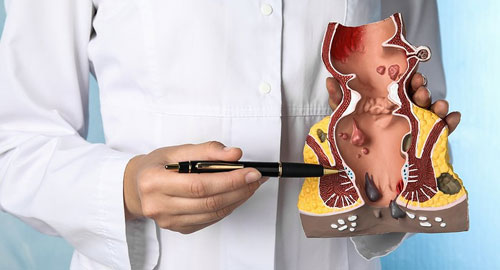
Conditions Commonly Treated
- Internal Piles
- External Piles
- Bleeding Piles
- Thrombosed Piles
- Prolapsed Hemorrhoids
- Recurrent Piles
Problems & Their Management
Piles can range from mild discomfort to severe pain and bleeding. Management is planned based on symptoms, grade of piles, and patient comfort.
- Bleeding During Stool: Bright red bleeding while passing stool is a common symptom. It requires proper examination to confirm diagnosis and rule out other causes.
- Pain & Discomfort: Pain while sitting or during bowel movements may occur, especially with external or thrombosed piles. Treatment helps relieve discomfort and inflammation.
- Swelling Around the Anus: Swelling or lump near the anal opening can cause irritation or hygiene issues and may require medical or surgical treatment.
- Itching & Irritation: Persistent itching, burning sensation, or discharge can be managed with medications and local care.
- Prolapsed Piles: Piles that protrude outside during bowel movement may require minimally invasive or surgical treatment depending on severity.
Treatment Options
- Medical Management: Includes medicines, dietary changes, hydration, stool softeners, and lifestyle advice for early-stage piles.
- Laser Piles Treatment: A minimally invasive procedure with less pain, minimal bleeding, and quicker recovery.
- Surgical Piles Removal: Recommended in severe, prolapsed, or recurrent piles when conservative treatment is not effective.
- Diet & Bowel Habit Guidance: Long-term prevention through high-fiber diet, hydration, and avoiding constipation.
Benefits of Treatment
- Relief from pain and bleeding
- Reduced swelling and irritation
- Improved bowel comfort
- Quick recovery with minimally invasive treatment
- Lower risk of recurrence with proper management
- Improved quality of daily life
When Should You Consult?
You should consult if you notice bleeding during bowel movements, pain while passing stool, itching or burning around the anus, swelling or lump near the anal region, constipation with straining, or repeated discomfort during sitting.
Early treatment helps relieve symptoms effectively and avoids progression to more severe stages.
Expert Piles Care with Dr. Rochelle Dsouza
Dr. Rochelle Dsouza offers expert evaluation and personalized treatment for piles with focus on accurate diagnosis, patient comfort, minimally invasive options, and long-term relief. Treatment plans are designed based on the severity of symptoms and individual patient needs.
Book your consultation today for expert piles evaluation and personalized treatment.