

Services
Advanced Laparoscopy & Endoscopy
Advanced laparoscopy and endoscopy are modern minimally invasive techniques used for accurate diagnosis and effective treatment of a wide range of abdominal and gastrointestinal conditions. These procedures allow better visualization of internal organs with minimal discomfort, smaller incisions, and faster recovery compared to conventional surgery.
Laparoscopy uses a small camera inserted through tiny incisions to perform surgical procedures inside the abdomen, while endoscopy helps examine the digestive tract using a flexible tube with a camera. Together, these techniques support early diagnosis, precise treatment, and improved patient outcomes.
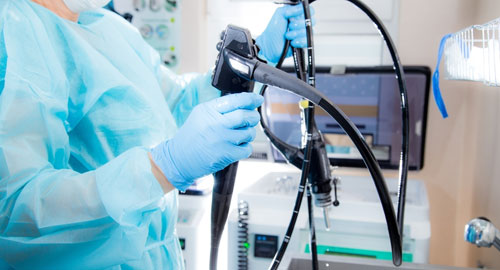
Conditions Commonly Evaluated & Treated
- Gallbladder stones and gallbladder disorders
- Appendicitis
- Hernia
- Abdominal pain requiring diagnostic evaluation
- Acidity, reflux and upper digestive tract concerns
- Gastric or intestinal abnormalities
- Gastrointestinal bleeding evaluation
- Colorectal and anorectal conditions
- Diagnostic abdominal and gastrointestinal procedures
Problems & Their Management
Many abdominal and digestive conditions can present with pain, bloating, nausea, indigestion, bleeding, swelling, or persistent discomfort. Advanced laparoscopy and endoscopy help identify the exact cause and guide the right treatment plan.
- Gallbladder Stones: May cause abdominal pain, bloating, nausea, or infection. Often managed with laparoscopic gallbladder surgery when symptoms are persistent.
- Appendicitis: Causes severe abdominal pain, fever, and nausea. Usually treated through laparoscopic appendix removal.
- Hernia: Can present as swelling or pain in the abdomen or groin. Managed using laparoscopic or open repair based on the type and severity.
- Acidity & Reflux Symptoms: Burning sensation, indigestion, or difficulty swallowing may require endoscopic evaluation for diagnosis and treatment planning.
- Gastrointestinal Bleeding: Bleeding in vomit or stool may need urgent endoscopic evaluation to locate and manage the source.
- Unexplained Abdominal Pain: Diagnostic laparoscopy or endoscopy can help identify underlying causes when symptoms persist despite medication.
Available Procedures
- Advanced Laparoscopic Surgery: Minimally invasive surgery using small incisions and camera-guided instruments.
- Diagnostic Laparoscopy: Used to evaluate abdominal pain or conditions requiring internal examination.
- Upper GI Endoscopy: Examination of the food pipe, stomach, and upper digestive tract.
- Diagnostic & Therapeutic Endoscopic Procedures: Used for both identifying abnormalities and treating selected gastrointestinal conditions.
Benefits of Advanced Laparoscopy & Endoscopy
- Minimal pain and discomfort
- Smaller incisions and minimal scarring
- Accurate diagnosis with better internal visualization
- Shorter hospital stay
- Faster recovery and healing
- Lower risk of complications
- Early return to normal routine
When Should You Consult?
Consultation is recommended if you have persistent abdominal pain, bloating, nausea, digestive discomfort, unexplained vomiting, reflux symptoms, bleeding in stools, or if surgery has been advised for abdominal conditions.
Early evaluation helps in timely diagnosis, effective treatment planning, and faster recovery with minimally invasive care whenever possible.
Expert Care with Dr. Rochelle Dsouza
Dr. Rochelle Dsouza offers expert evaluation and advanced minimally invasive surgical care through laparoscopic and endoscopic procedures tailored to each patient’s condition. The focus remains on accurate diagnosis, safe treatment, patient comfort, and faster recovery with the latest surgical techniques.
Book your consultation today for expert evaluation and personalized treatment planning.