

Blogs
Why Laparoscopic Surgery Is Preferred for Faster Healing & Recovery
Laparoscopic surgery, also called minimally invasive surgery or keyhole surgery, has transformed modern surgical care. It allows surgeons to perform procedures through very small incisions using a camera and specialized instruments, offering patients a safer treatment option with quicker recovery.
Compared to traditional open surgery, laparoscopic procedures generally result in less pain, minimal scarring, shorter hospital stay, and faster return to daily life. Because of these advantages, it is now widely preferred for treating several abdominal and general surgical conditions.
What Is Laparoscopic Surgery?
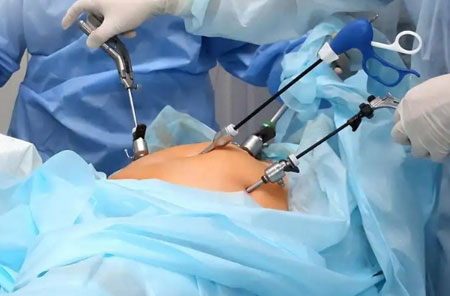
In laparoscopic surgery, tiny cuts are made in the abdomen through which a laparoscope (a thin tube with a camera) and surgical instruments are inserted. The camera provides a clear view of the internal organs on a screen, allowing the surgeon to perform the procedure with precision.
It is commonly used for procedures such as gallbladder surgery, hernia repair, appendix surgery, and several abdominal operations.
Benefits of Laparoscopic Surgery
- Smaller Incisions: Tiny cuts instead of a large surgical opening result in minimal tissue damage.
- Less Pain: Smaller wounds usually mean less post-operative discomfort.
- Faster Recovery: Most patients recover quicker and return to normal activities sooner.
- Minimal Scarring: Small incisions heal with very little visible scarring.
- Shorter Hospital Stay: Many laparoscopic procedures allow early discharge, sometimes even the same day.
- Lower Risk of Infection: Smaller wounds reduce the chances of infection and complications.
- Quicker Return to Routine: Patients often resume work and daily life much earlier than with open surgery.
Conditions Commonly Treated with Laparoscopic Surgery
Laparoscopic surgery is commonly recommended for a variety of conditions, including:
- Gallbladder stones and gallbladder removal
- Hernia repair
- Appendix removal (appendicitis)
- Diagnostic abdominal procedures
- Certain intestinal and abdominal surgeries
Recovery After Laparoscopic Surgery
Recovery after laparoscopic surgery is usually smoother than open surgery. Most patients are encouraged to walk early after surgery and gradually return to normal activities based on medical advice.
Following post-operative instructions, maintaining a healthy diet, staying hydrated, and taking medicines as prescribed help ensure quicker healing and better outcomes.
When Should You Consult a Surgeon?
If you have been advised surgery for gallstones, hernia, appendix-related pain, or any abdominal condition, discussing laparoscopic treatment options with a surgeon can help you understand whether it is suitable for you.
Early consultation helps patients make informed treatment decisions and allows better planning for recovery.
Consult Dr. Rochelle Dsouza
Dr. Rochelle Dsouza provides expert evaluation and advanced laparoscopic surgical care with a patient-focused approach. With emphasis on precision, safety, faster healing, and comfortable recovery, treatment plans are tailored to every patient’s needs.
Book your consultation today to learn whether laparoscopic surgery is the right option for your treatment.